
Technical Articles & Engineering Guides
Engineering whitepapers, global standards, and enterprise case studies
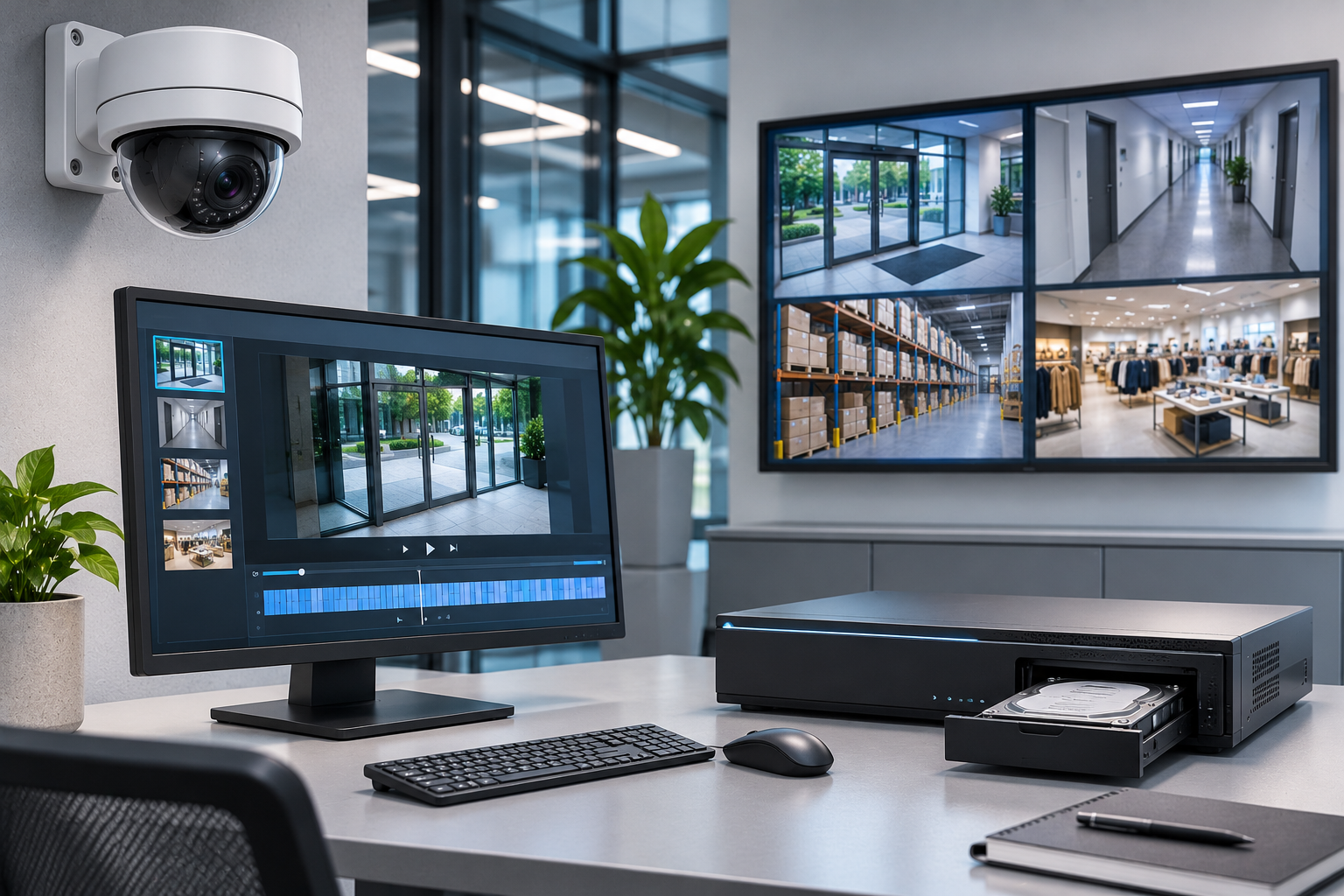
How Long Should Security Camera Recordings Be Stored? KVKK and Legal Retention Periods
Should security camera recordings be stored for 7, 15, 30, 60, or 90 days? In Turkey, there is no single legal retention period applicable to all camera systems. We examine the rules for recording storage and deletion under KVKK, the obligations of businesses subject to special regulations such as jewelers and currency exchange offices, and NVR/HDD capacity calculations. We explain how to determine the correct recording period for residences, workplaces, apartments, and commercial facilities.
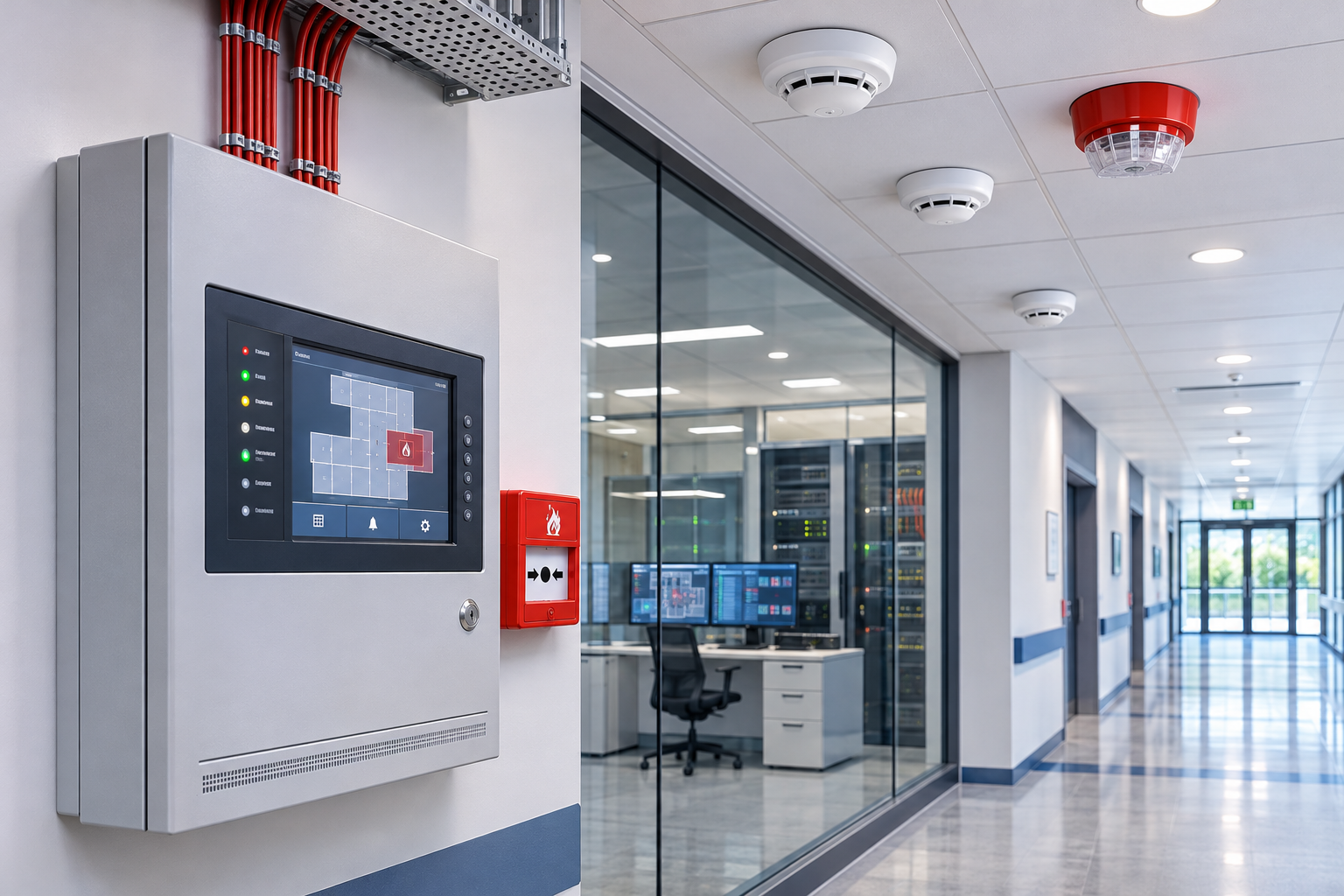
Honeywell Fire Detection Systems: NOTIFIER, ESSER, and VESDA Solutions
Honeywell fire detection and alarm systems offer a broad portfolio, ranging from NOTIFIER, ESSER, Morley-IAS, and Gent control panels to System Sensor detectors, and Xtralis VESDA and FAAST aspirating smoke detection solutions. We technically examine their product families, EN 54 compliance, CLSS remote monitoring technology, application areas, and system selection criteria.
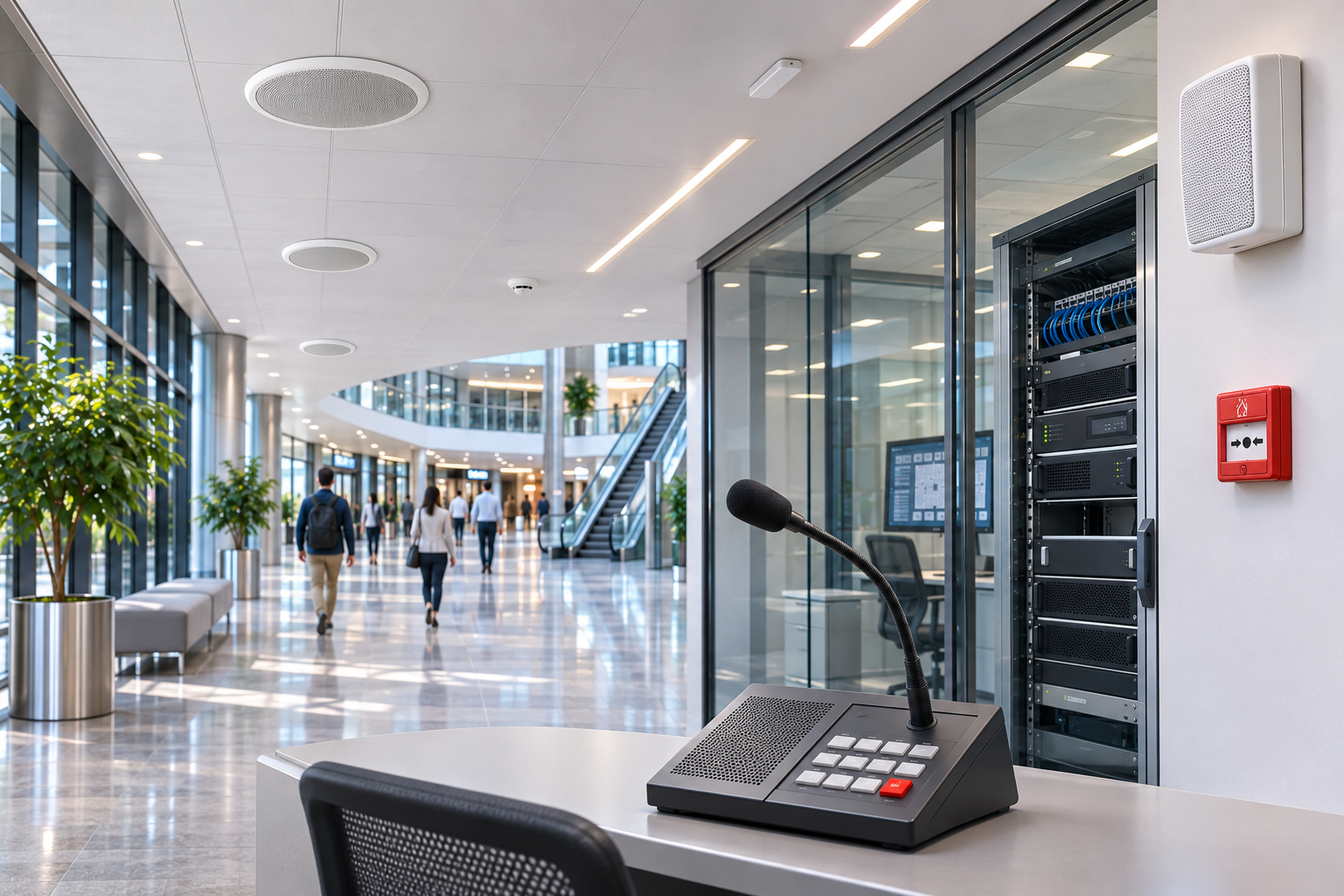
What is an Emergency Announcement System? How Does It Work and Where Is It Mandatory?
Emergency announcement systems are security systems that transmit clear audible evacuation instructions to building occupants during fires and other emergencies. We technically examine their operating principles, differences from public address systems, EN 54-16 and EN 54-24 standards, loudspeaker and amplifier selection, fire alarm integration, and legal requirements in Turkey.
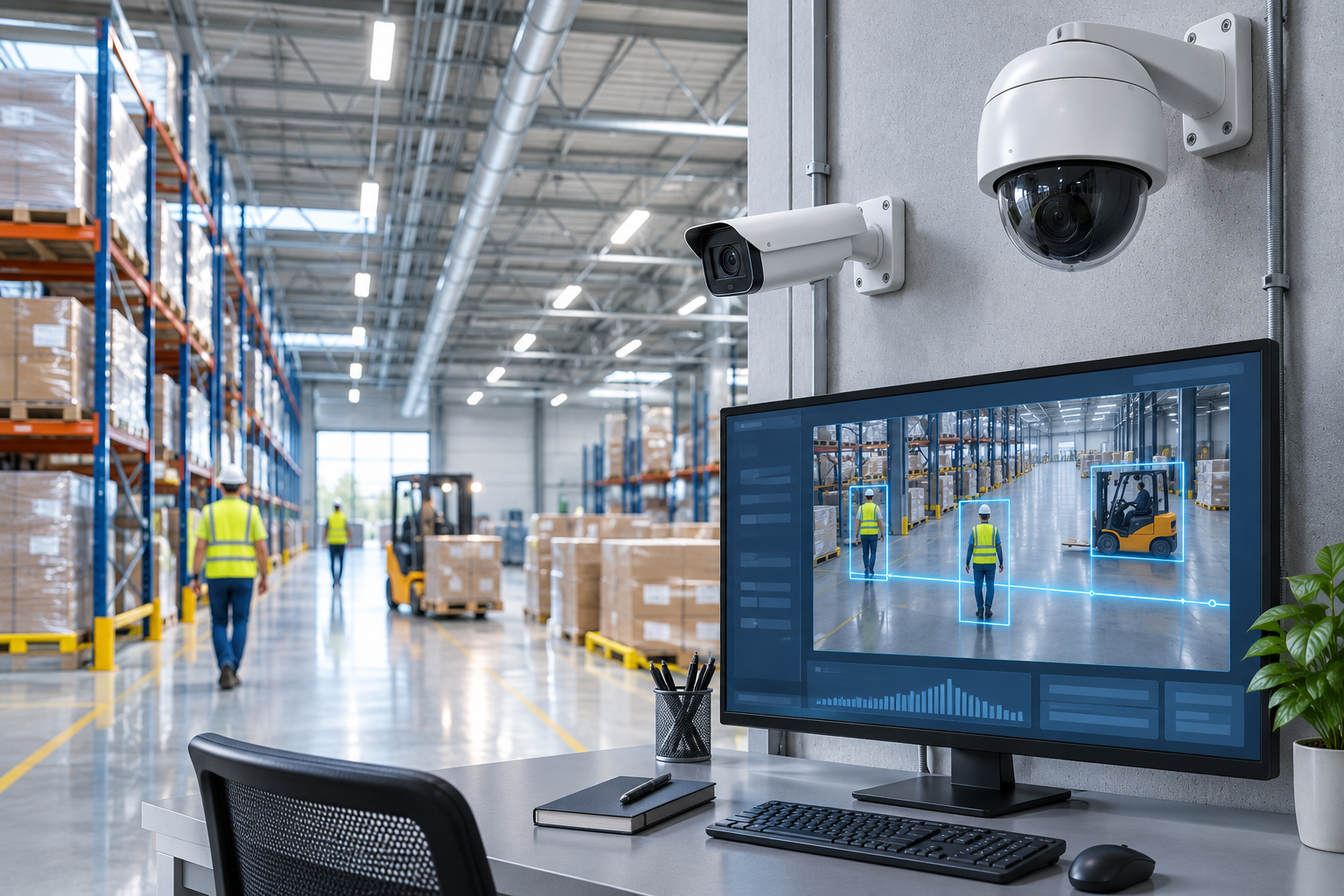
What Are Video Analytics Systems? AI, Use Cases, and Technical Selection Guide
Video analytics systems analyze security camera footage using artificial intelligence and image processing technologies to detect people, vehicles, and specific events. We examine object classification, perimeter intrusion, people counting, license plate recognition, and behavior analysis applications; edge and server-based architectures, ONVIF integration, accuracy measurement, and technical criteria for selecting the right system.
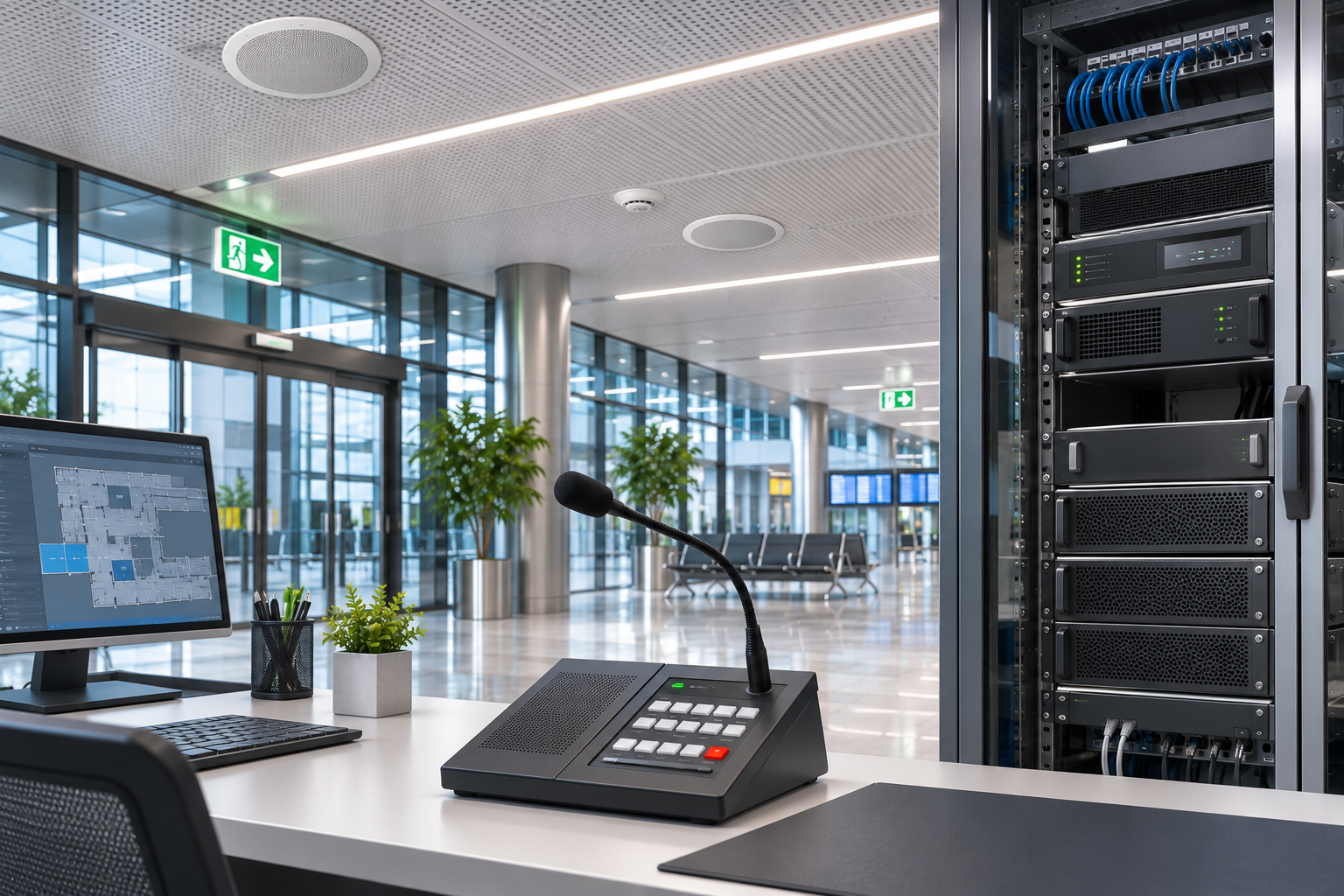
Bosch Emergency Public Address Systems: PRAESENSA, PAVIRO, and Voice Evacuation Solutions
Bosch emergency public address and voice evacuation systems ensure reliable transmission of intelligible voice warnings during fire and other emergencies. We compare the PRAESENSA, PAVIRO, and PLENA VAS product families in terms of IP-based architecture, EN 54 standards, fire alarm integration, loudspeaker selection, phased evacuation, and technical project criteria.
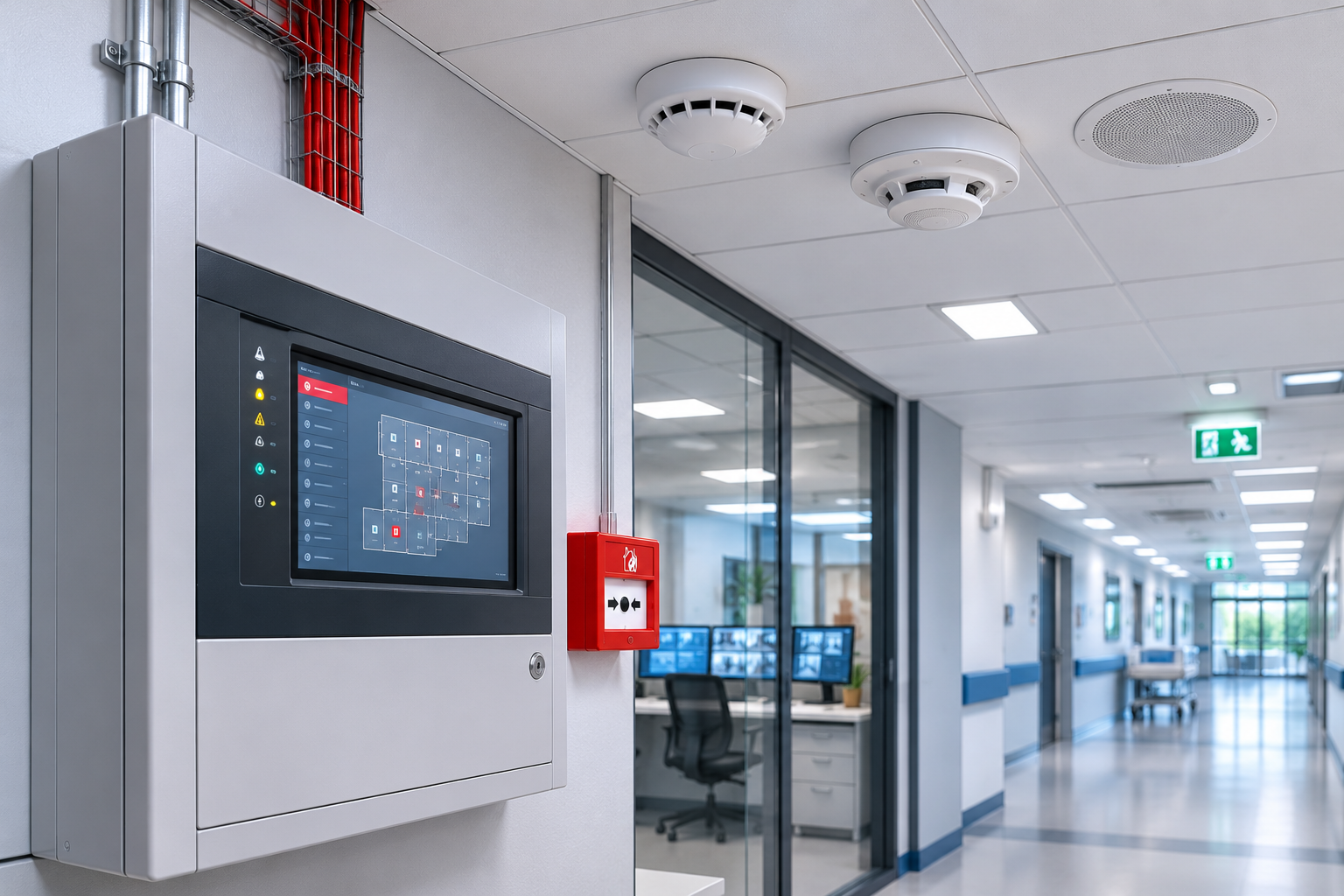
Bosch Fire Detection Systems: AVENAR, AVIOTEC, and Smart Fire Solutions
Bosch fire detection systems encompass AVENAR 2000 and 8000 addressable panels, multi-sensor detectors, AVIOTEC video-based fire detection, and remote monitoring solutions. We examine Bosch's LSN improved, Intelligent Signal Processing, AVENAR IO, and NEXOSPACE technologies, including their application areas, technical specifications, integration capabilities, and system selection criteria.
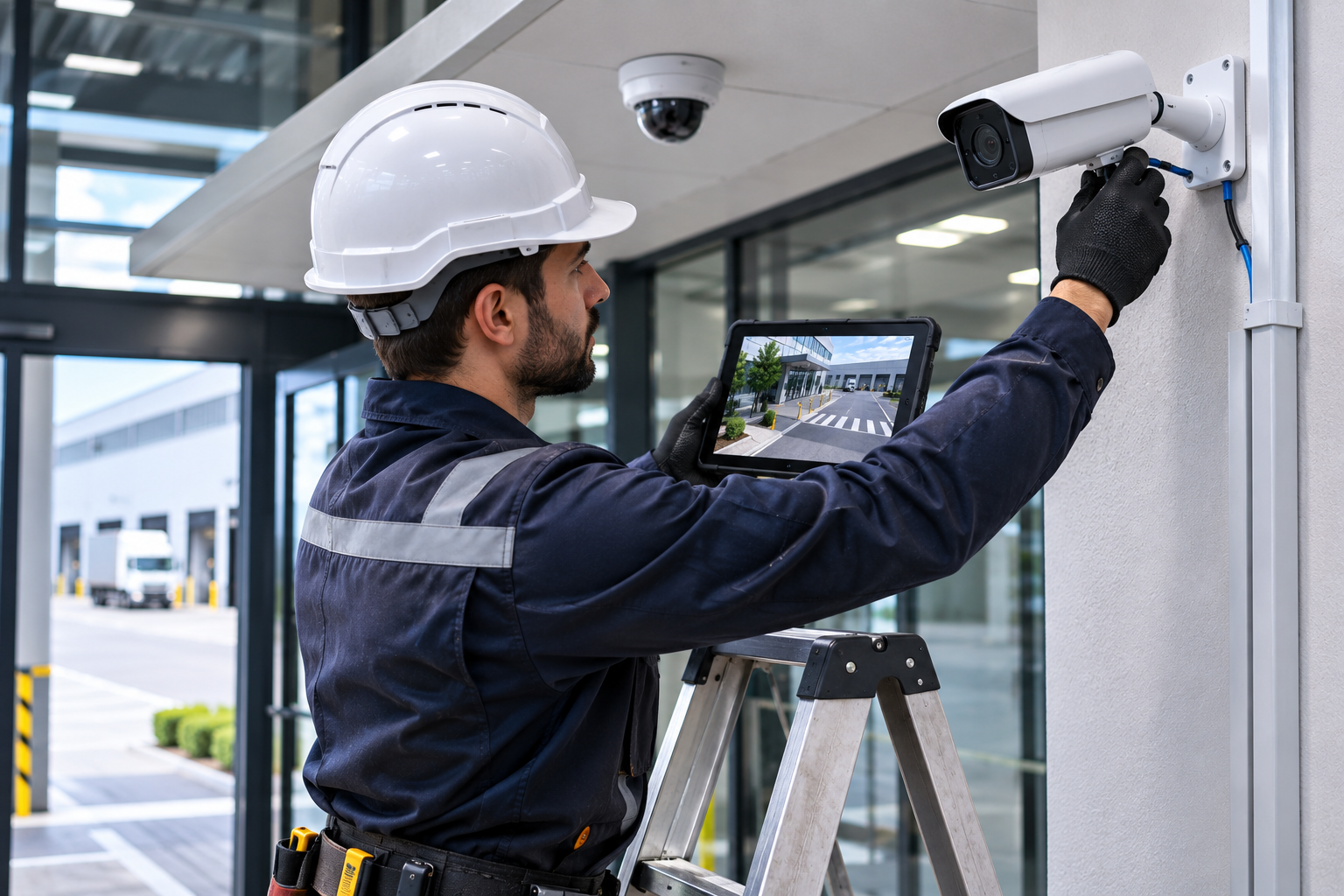
What are the Most Common Mistakes Made in Camera Installation?
Mistakes made in security camera installation can negatively affect image quality, night vision, and recording reliability. We examine incorrect mounting height, camera angle, lens selection, DORI/PPM calculation, IR reflections, cabling, PoE, and recording errors with their technical solutions.
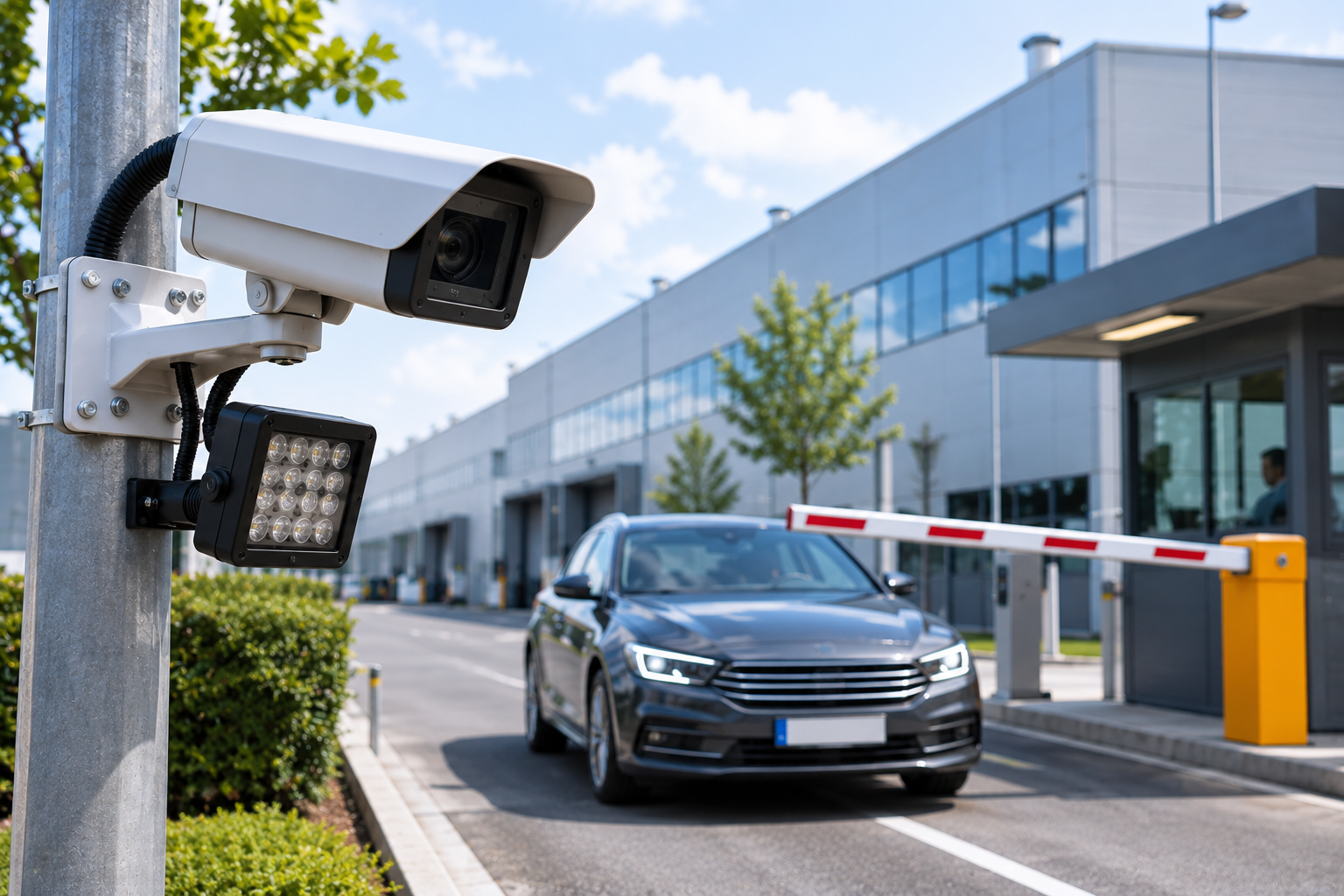
What is a License Plate Recognition System? How Does It Work and How to Choose One?
What is a License Plate Recognition (ANPR/LPR) system, how does it work, and where is it used? Explore this technical selection guide covering artificial intelligence, OCR, license plate recognition cameras, night vision, mounting angle, barrier integration, reading accuracy, and KVKK criteria.
How to Perform Periodic Maintenance on Camera Systems?
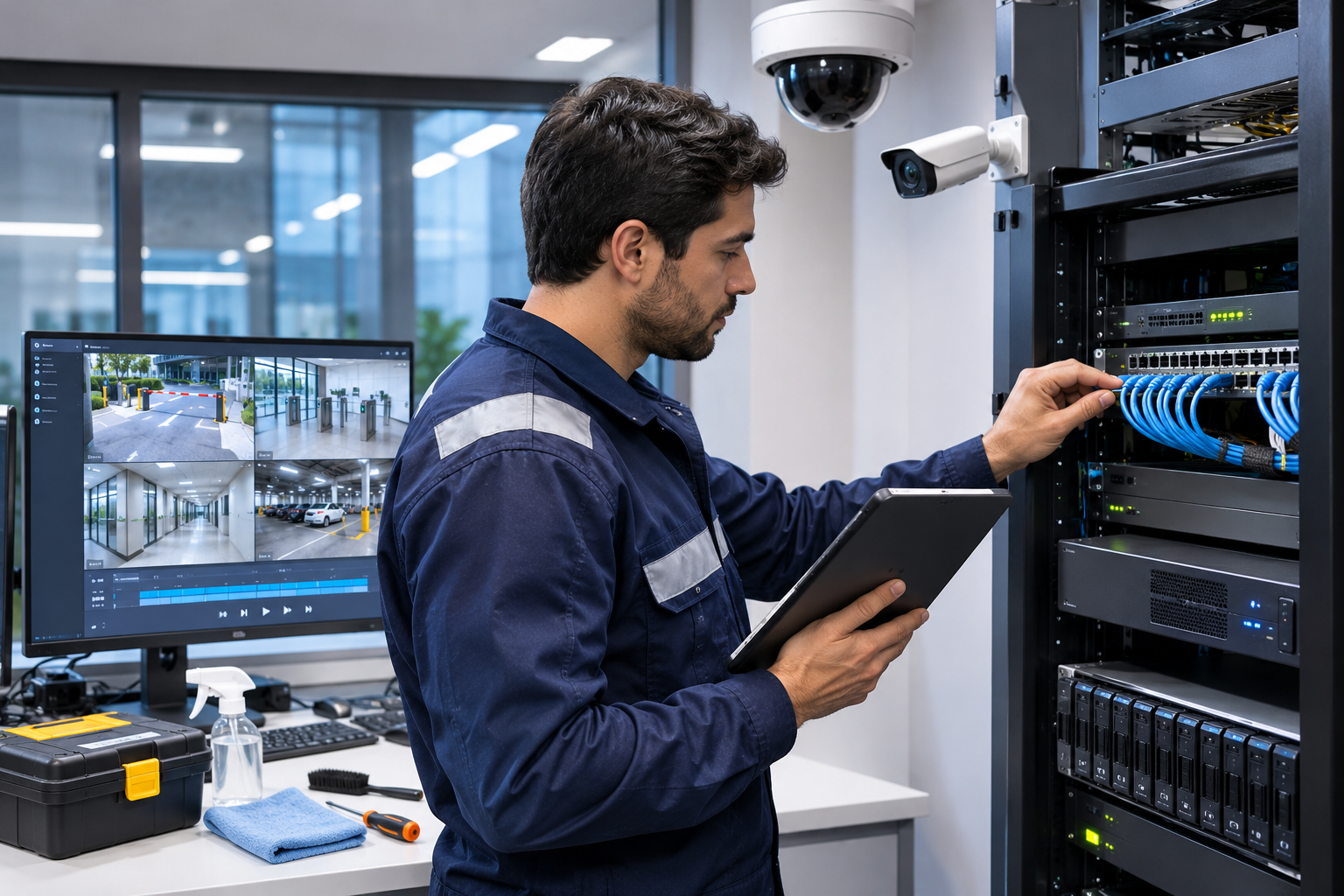
Why is periodic maintenance necessary for security camera systems and how is it performed? We examine maintenance procedures covering IP and analog cameras, NVR/DVR recording devices, hard disks, lenses, night vision, DORI/PPM analysis, network connections, and recording security, along with sample maintenance periods and a technical checklist.
What is IK10? Impact Resistance and Vandal Protection Classes in Security Cameras
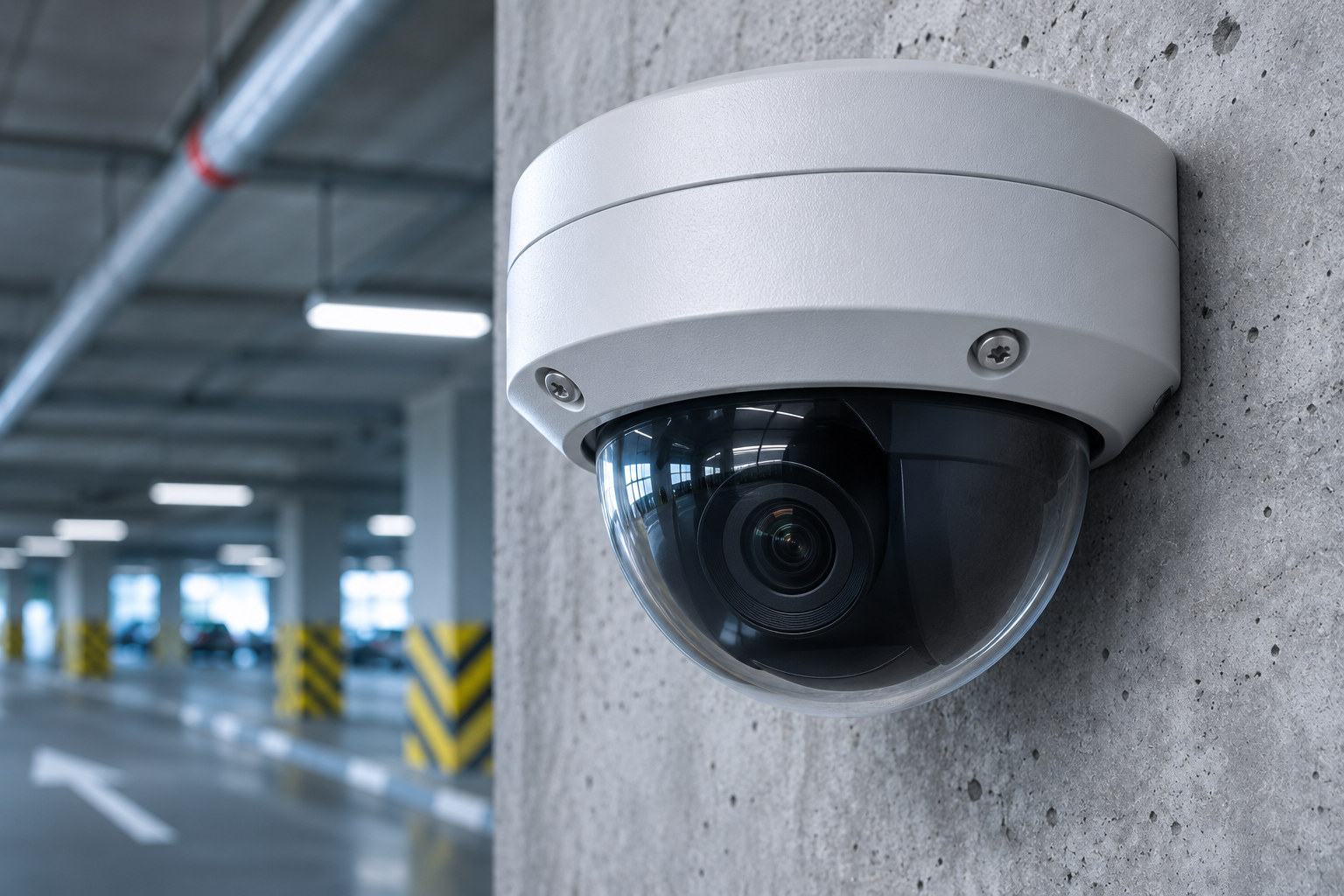
What is IK10, and what does it mean for security cameras? We examine the 20 joule impact resistance in the IEC 62262 standard, the differences between IK08, IK09, IK10, and IK11, vandal-proof camera features, the differences from IP66/IP67 protection, and the criteria for selecting the right camera.
What is a Solar-Powered Security Camera? Panel, Battery, and 4G Selection Guide
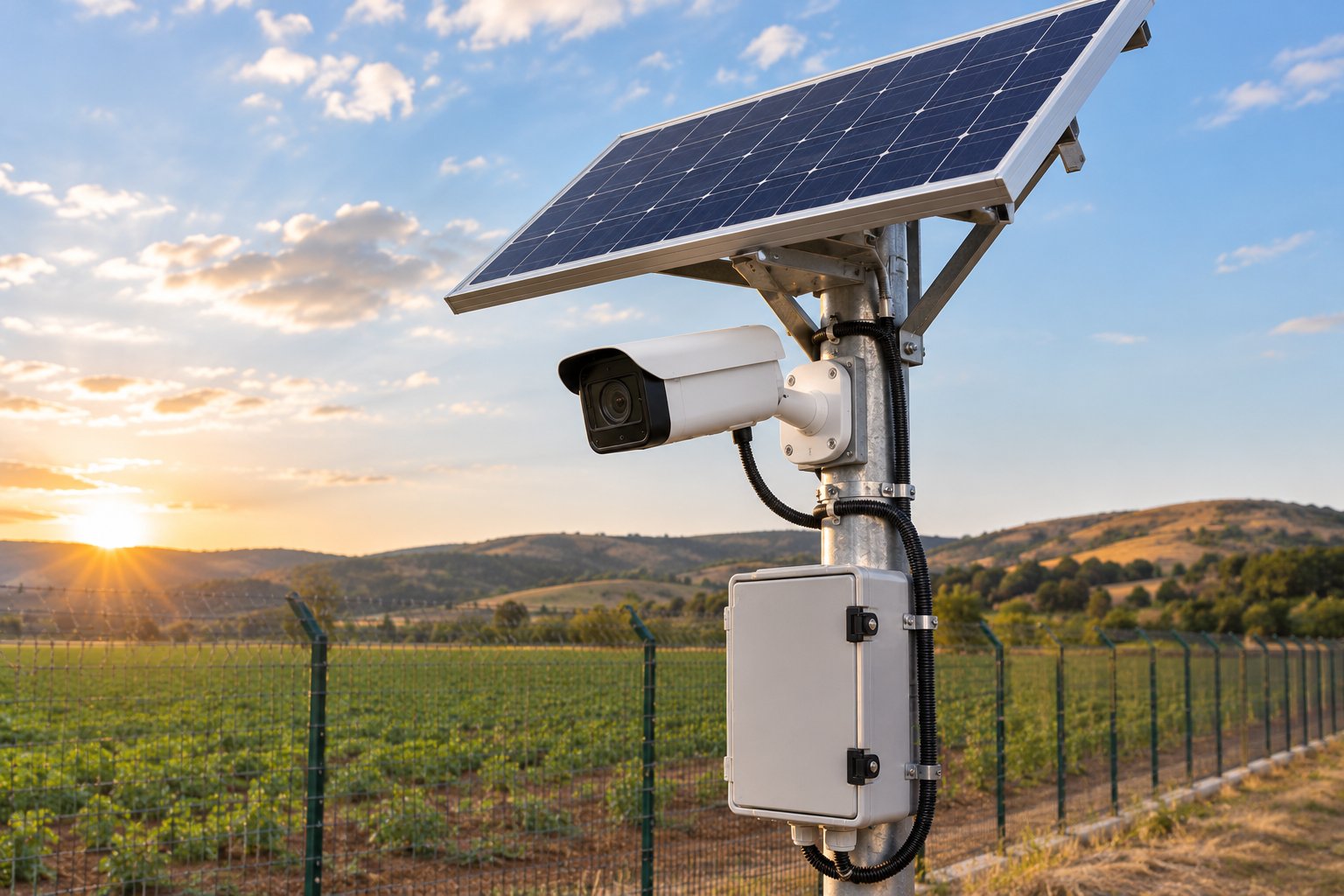
Solar-powered security cameras provide surveillance in areas lacking electrical infrastructure by utilizing solar panels and batteries. But how many watts of solar panel and how many Ah of battery are needed? We examine 4G SIM card cameras, 24/7 recording, night vision, winter performance, storage, and correct system selection criteria with technical calculations.
What is RFID? How It Works, Types, and Application Areas
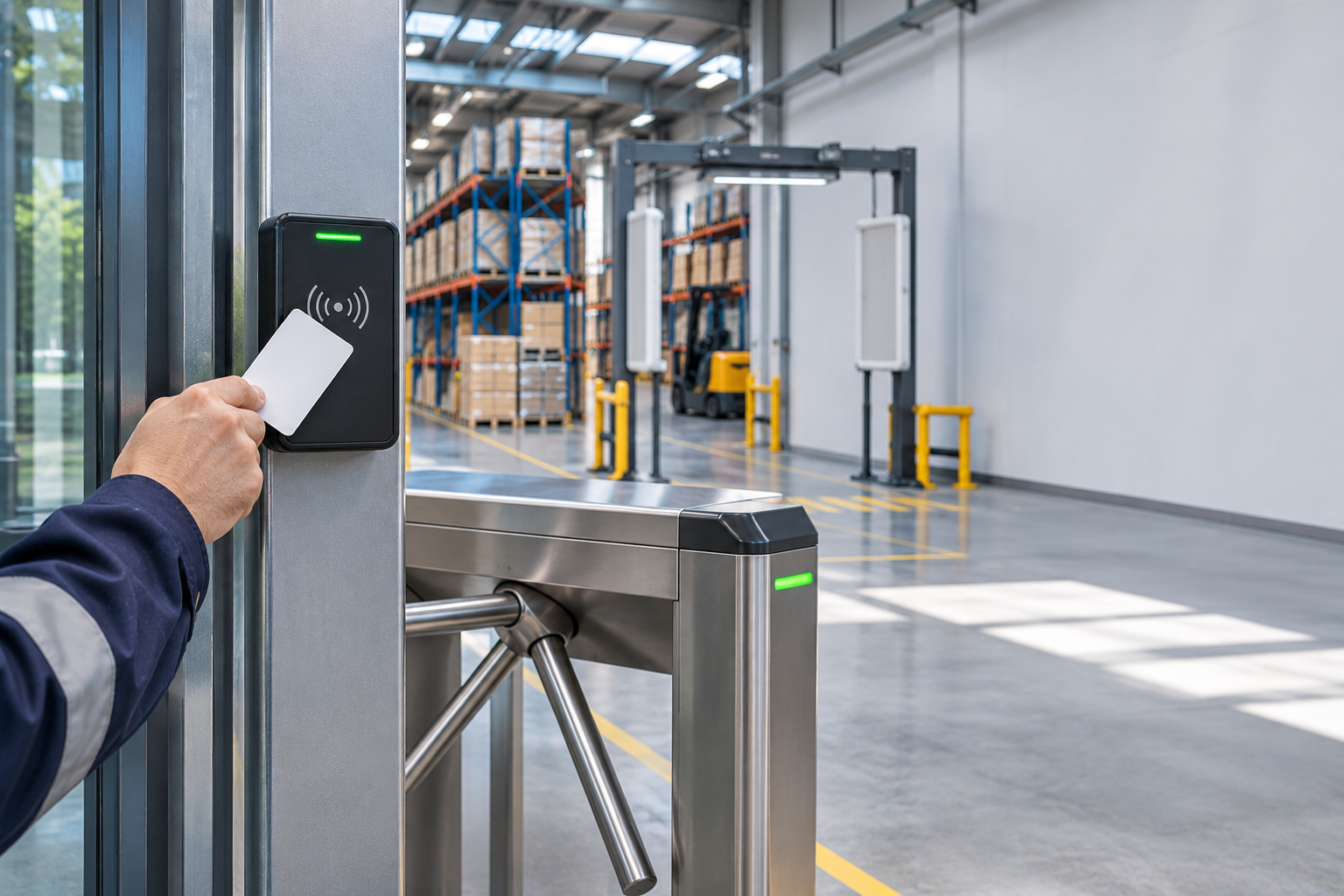
What is RFID (Radio Frequency Identification), how does it work, and where is it used? We examine RFID card, reader, and tag technologies; 125 kHz, 13.56 MHz, and UHF frequencies, NFC differences, access control, personnel attendance systems, stock tracking, security, and criteria for selecting the right system.
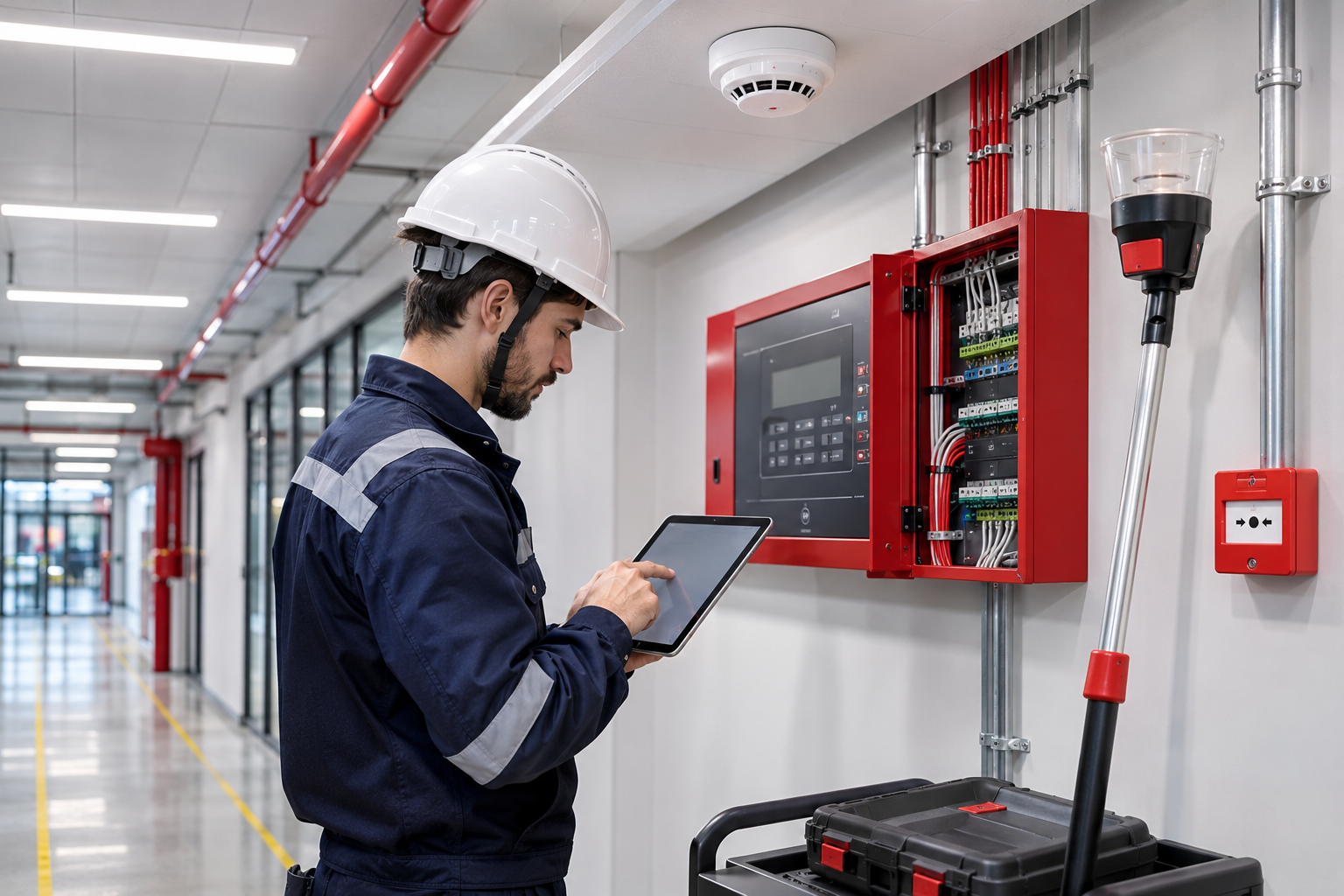
How to Perform Periodic Maintenance on Fire Detection Systems?
How is periodic maintenance performed on fire detection systems, and how often should it be carried out? We examine the tests for smoke and heat detectors, fire alarm panels, batteries, call points, sirens, and fire scenarios, considering EN 54 standards, legal requirements, and a technical maintenance checklist.
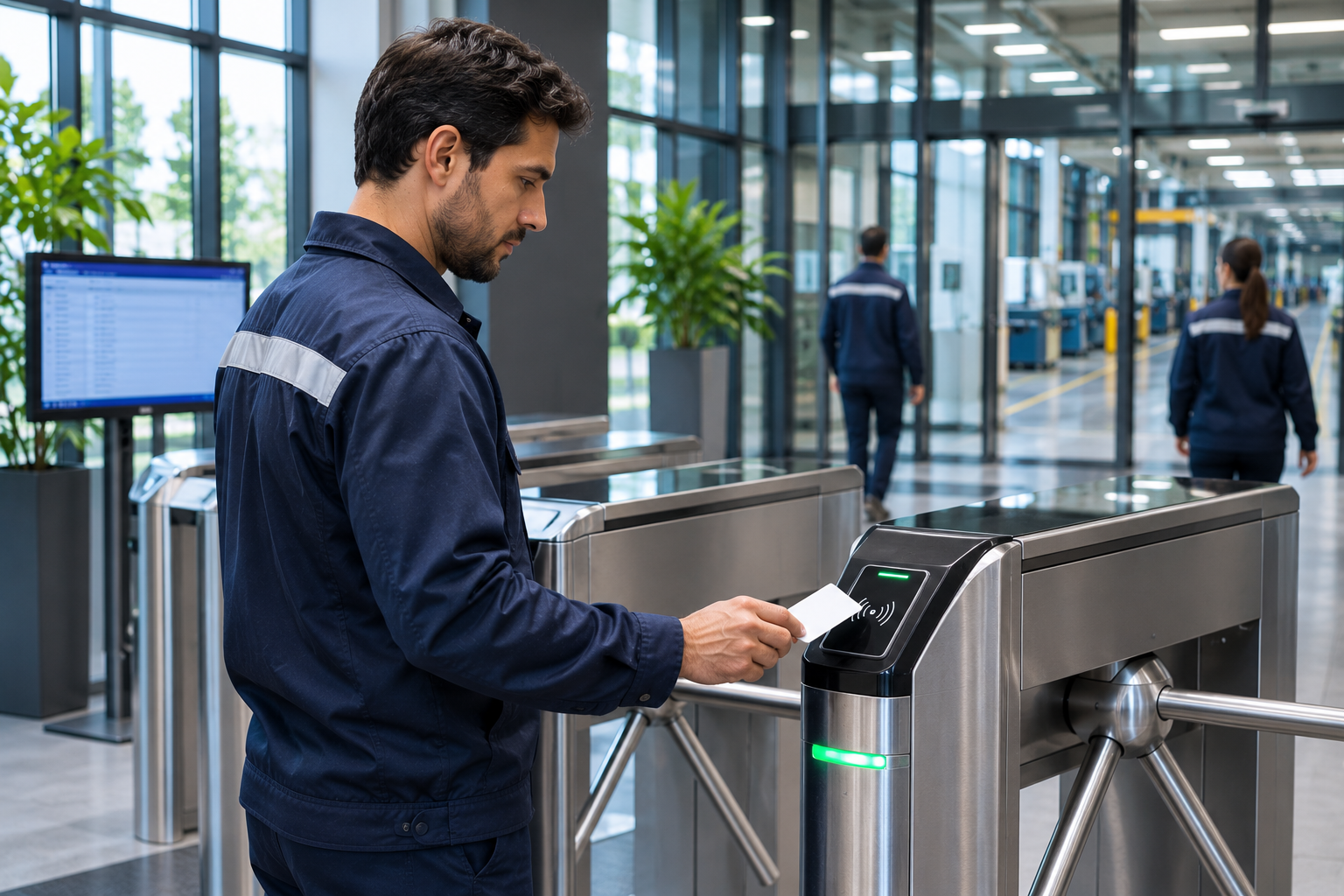
What is PDKS? How Does a Personnel Attendance Control System Work?
PDKS (Personnel Attendance Control System) is a system that enables digital tracking of employee entry-exit times, shifts, leaves, and working hours. We examine card-based PDKS, RFID, mobile personnel tracking, timesheet, and payroll integration, along with its operating principles, advantages, technical selection criteria, and current KVKK regulations.
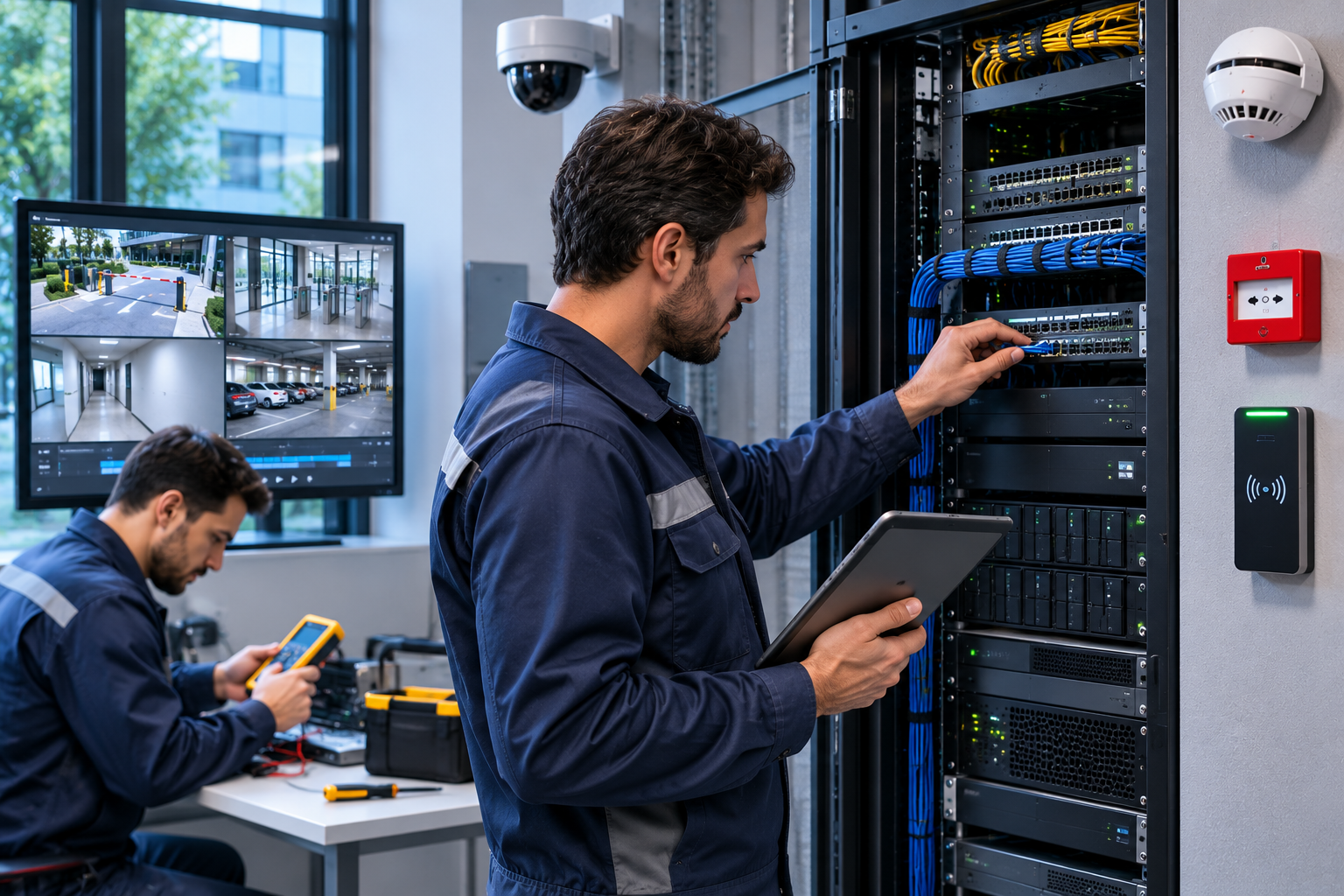
What is Periodic Maintenance? Why is it Necessary in Security Systems?
What is periodic maintenance, why is it necessary, and how often should it be performed? We examine maintenance processes in CCTV camera, fire detection, intruder alarm, access control, and low current systems, including preventive maintenance, functional tests, fault detection, maintenance contracts, and technical reporting criteria.
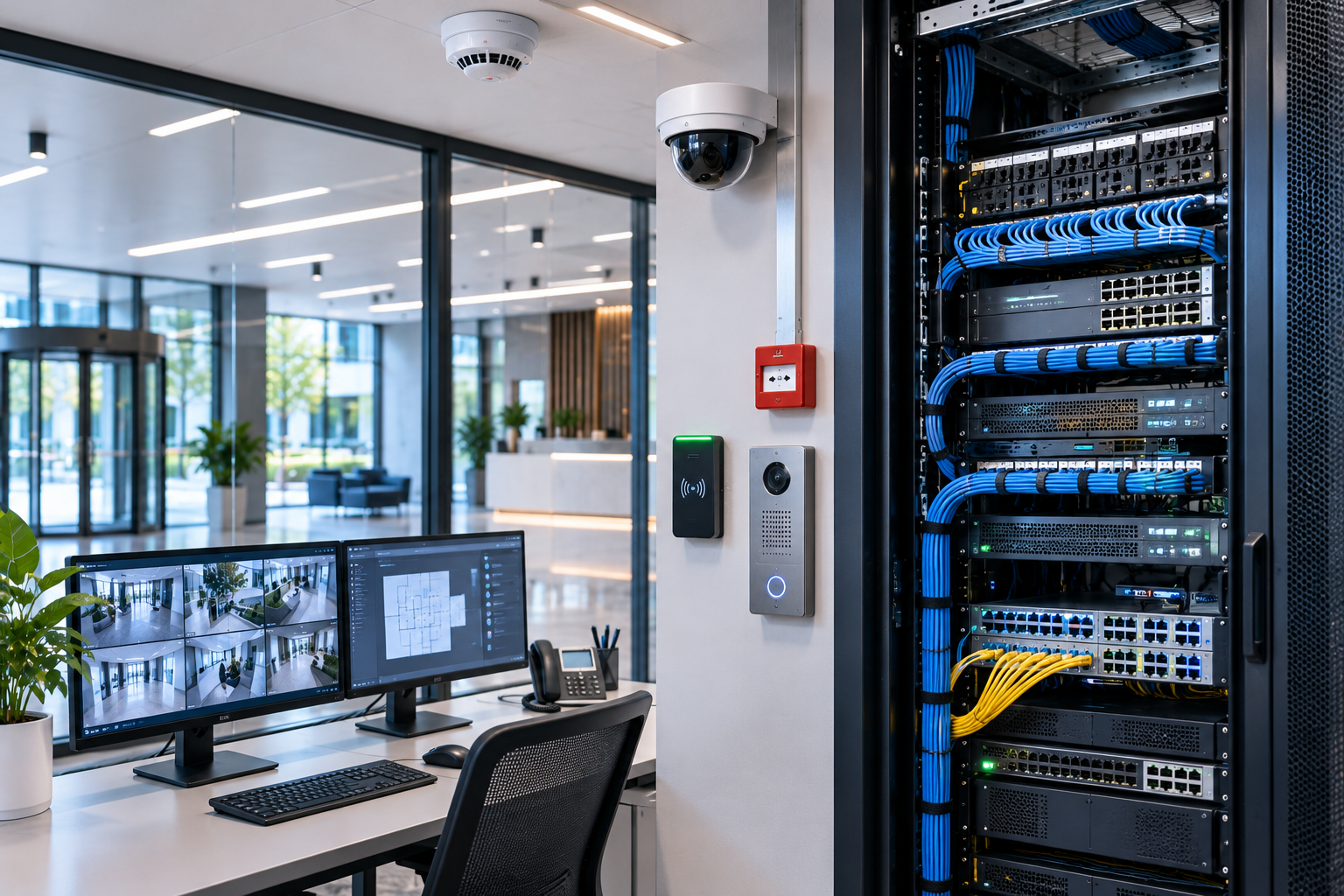
What Are Low Current Systems? Types, Applications, and Technical Guide
What are low current systems, which systems do they cover, and how do they differ from high current systems? We examine CCTV, fire detection, alarm, access control, data and fiber optic cabling, intercom, public address, and building automation systems; including their operating principles, application areas, technical standards, and project design criteria.
What is ONVIF? What Does It Do in IP Camera and NVR Systems?
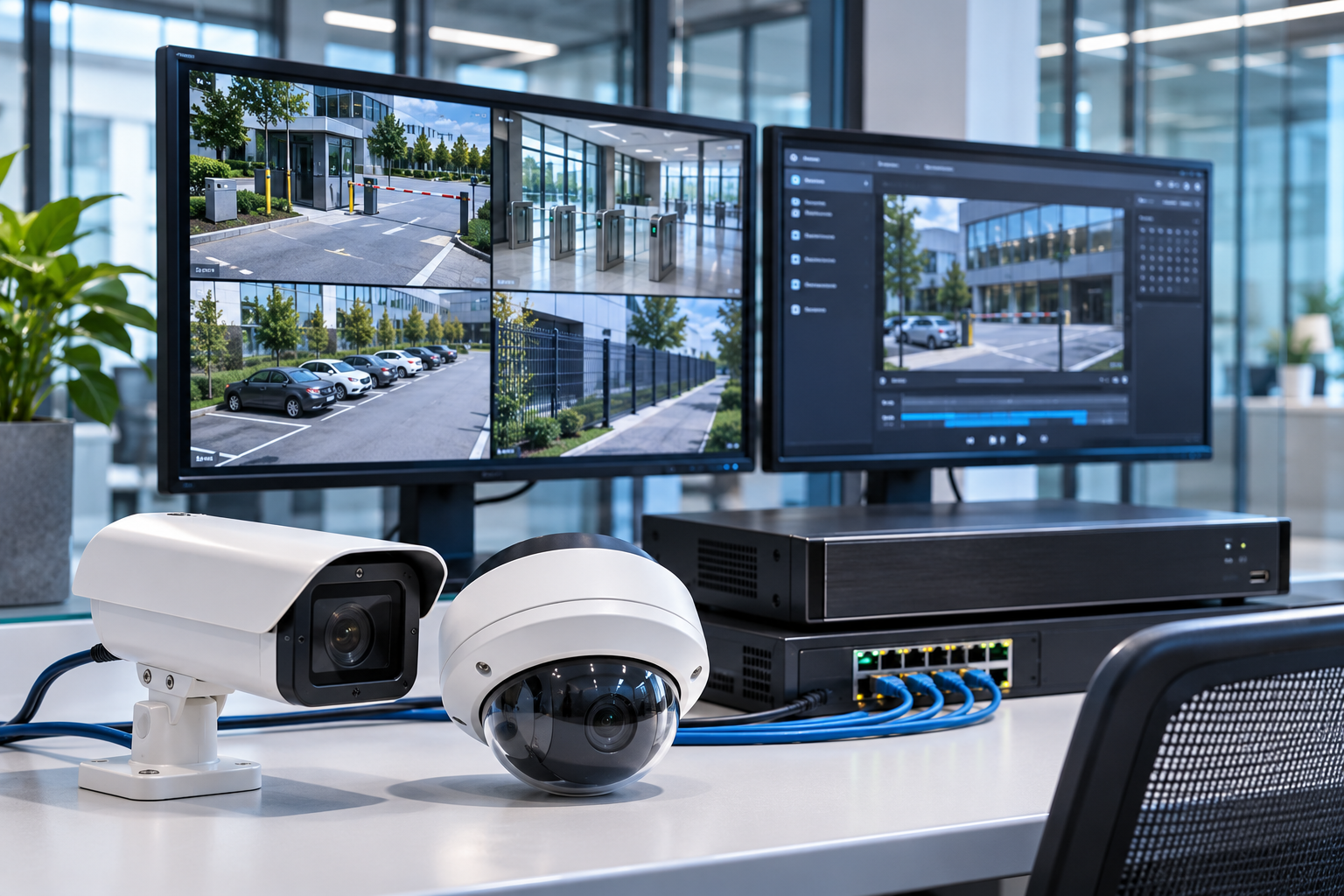
What is ONVIF and what does it do in IP camera systems? We examine the ONVIF standard, which enables security cameras, NVR recording devices, and video management software from different brands to work together. We explain the differences between Profile S, T, G, and M, camera compatibility, AI analytics integration, and current technical selection criteria.
What Are Perimeter Security Systems? How Do They Work and How Are They Chosen?
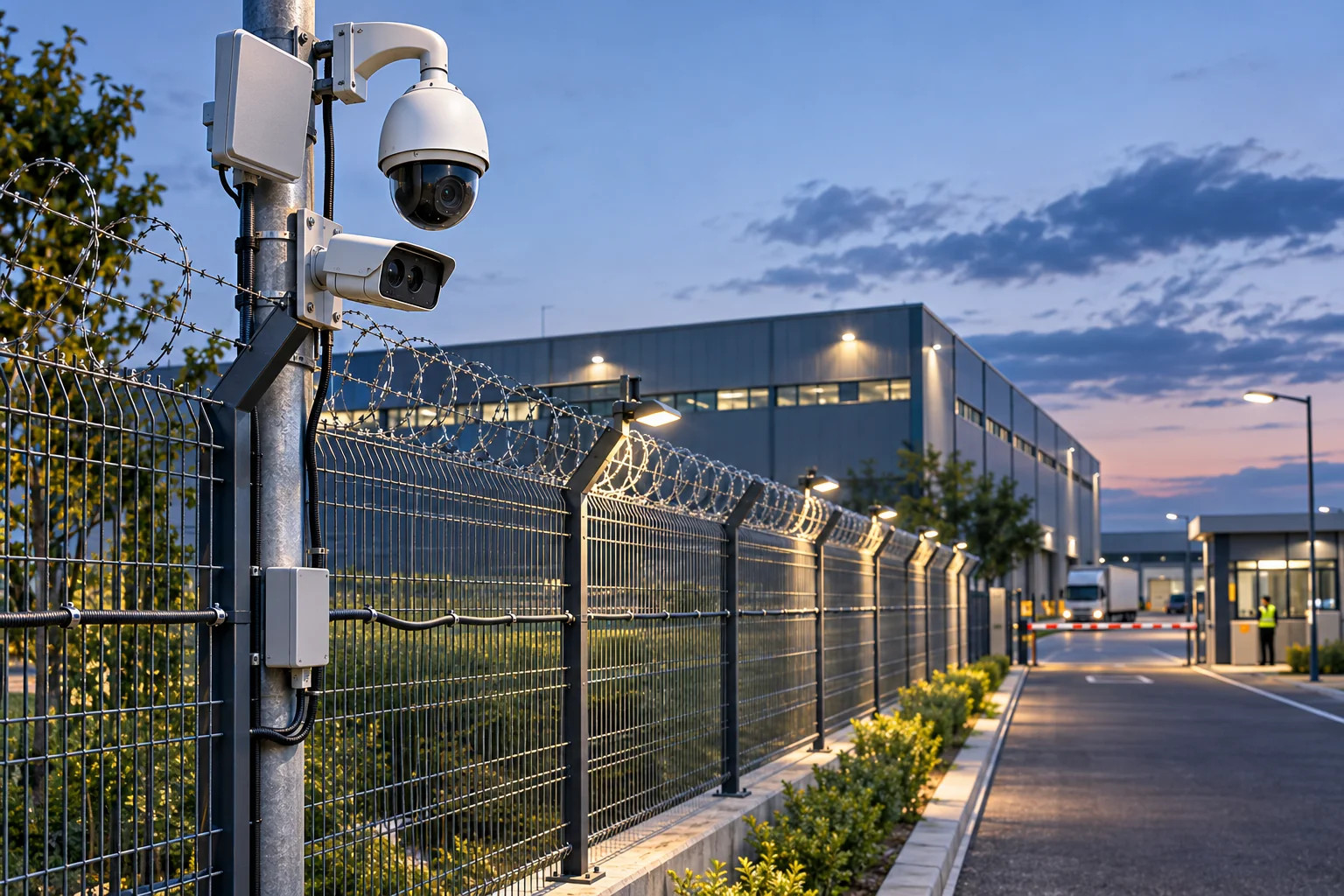
Perimeter security systems aim to detect unauthorized intrusions at an early stage along the boundaries of factories, warehouses, energy facilities, and large land areas. We examine thermal cameras, radar, AI-powered video analytics, fiber optic fence sensors, and perimeter intrusion detection technologies; including their advantages, technical limitations, and criteria for selecting the right system.