
Technical Articles & Engineering Guides
Engineering whitepapers, global standards, and enterprise case studies
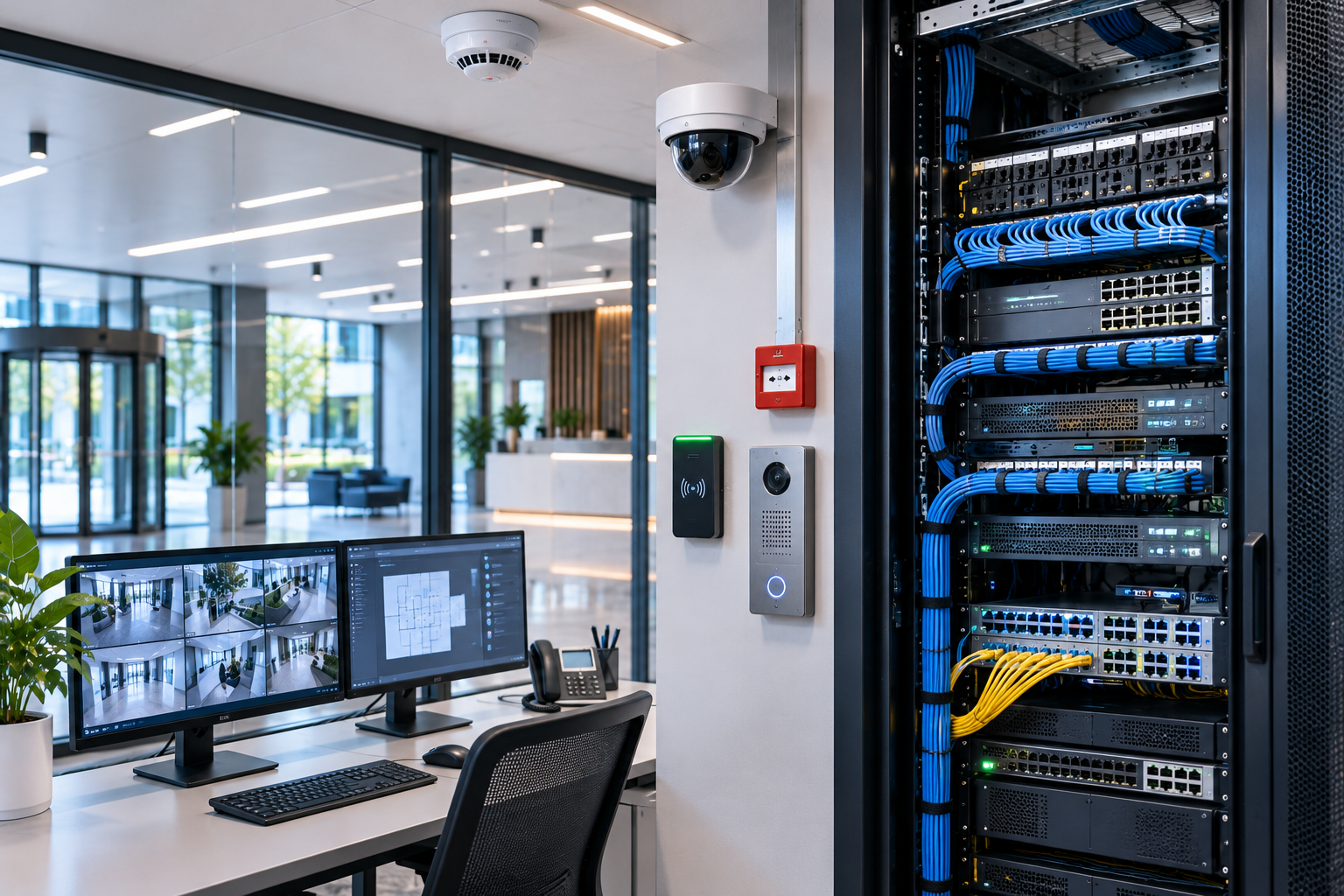
What Are Low Current Systems? Types, Applications, and Technical Guide
What are low current systems, which systems do they cover, and how do they differ from high current systems? We examine CCTV, fire detection, alarm, access control, data and fiber optic cabling, intercom, public address, and building automation systems; including their operating principles, application areas, technical standards, and project design criteria.
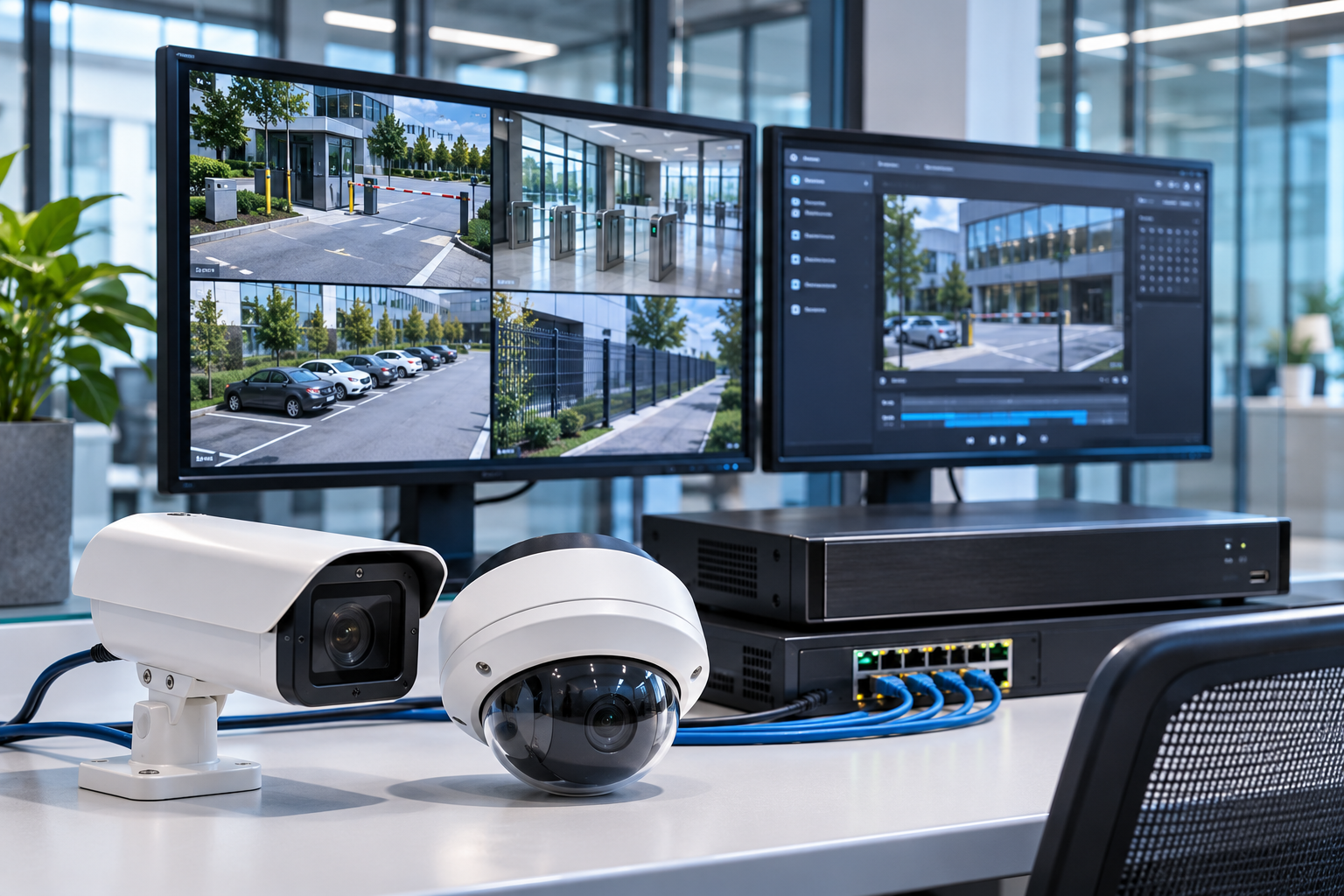
What is ONVIF? What Does It Do in IP Camera and NVR Systems?
What is ONVIF and what does it do in IP camera systems? We examine the ONVIF standard, which enables security cameras, NVR recording devices, and video management software from different brands to work together. We explain the differences between Profile S, T, G, and M, camera compatibility, AI analytics integration, and current technical selection criteria.
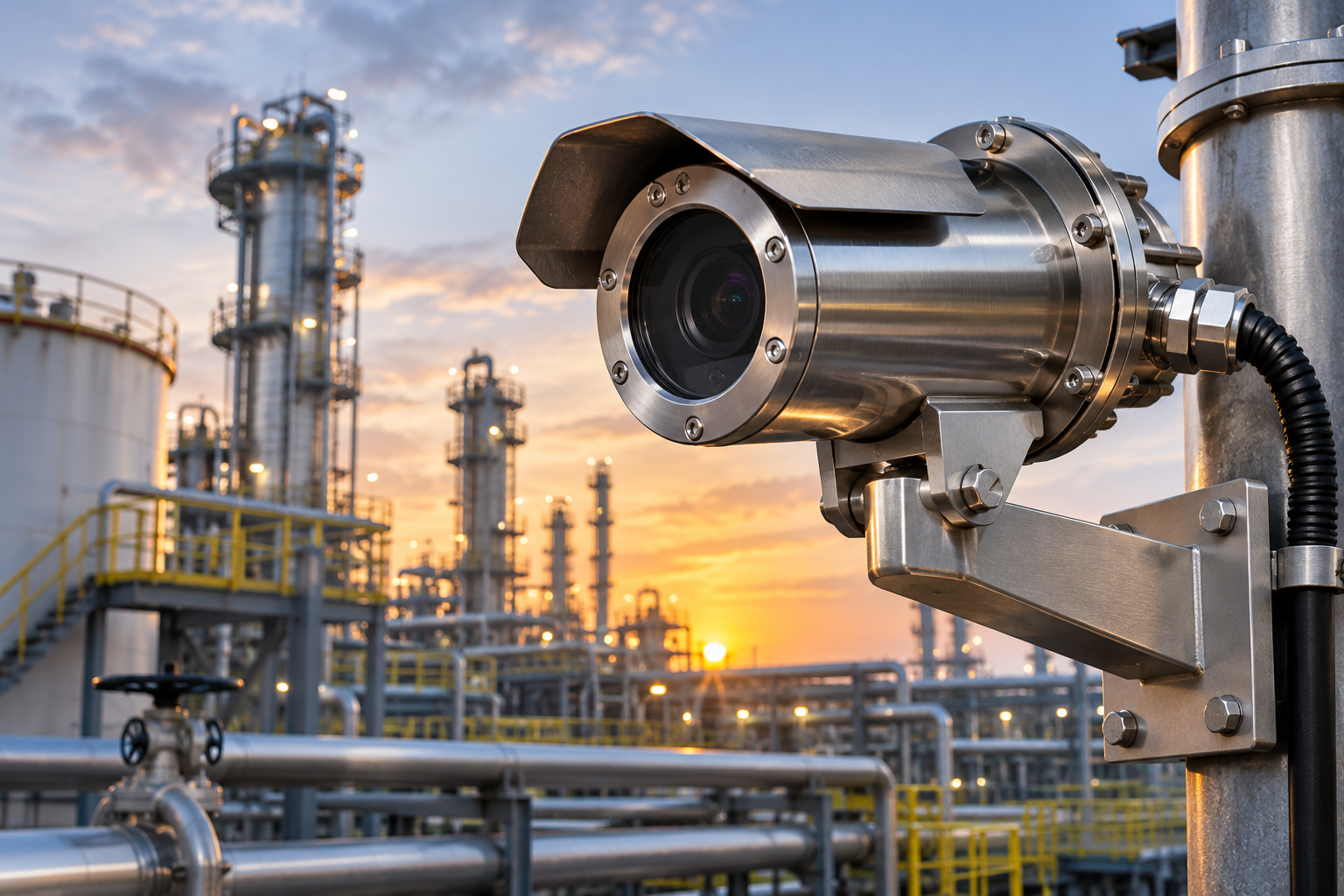
What are Ex-Proof Camera Systems? ATEX, IECEx, and Correct Camera Selection
Ex-proof camera systems are specialized CCTV solutions developed for safe surveillance in industrial areas with a risk of explosive gases, vapors, or combustible dust. We examine ATEX and IECEx certifications, Zone 1, Zone 2, Zone 21, and Zone 22 classifications, camera housings, cabling, and installation criteria in technical detail.
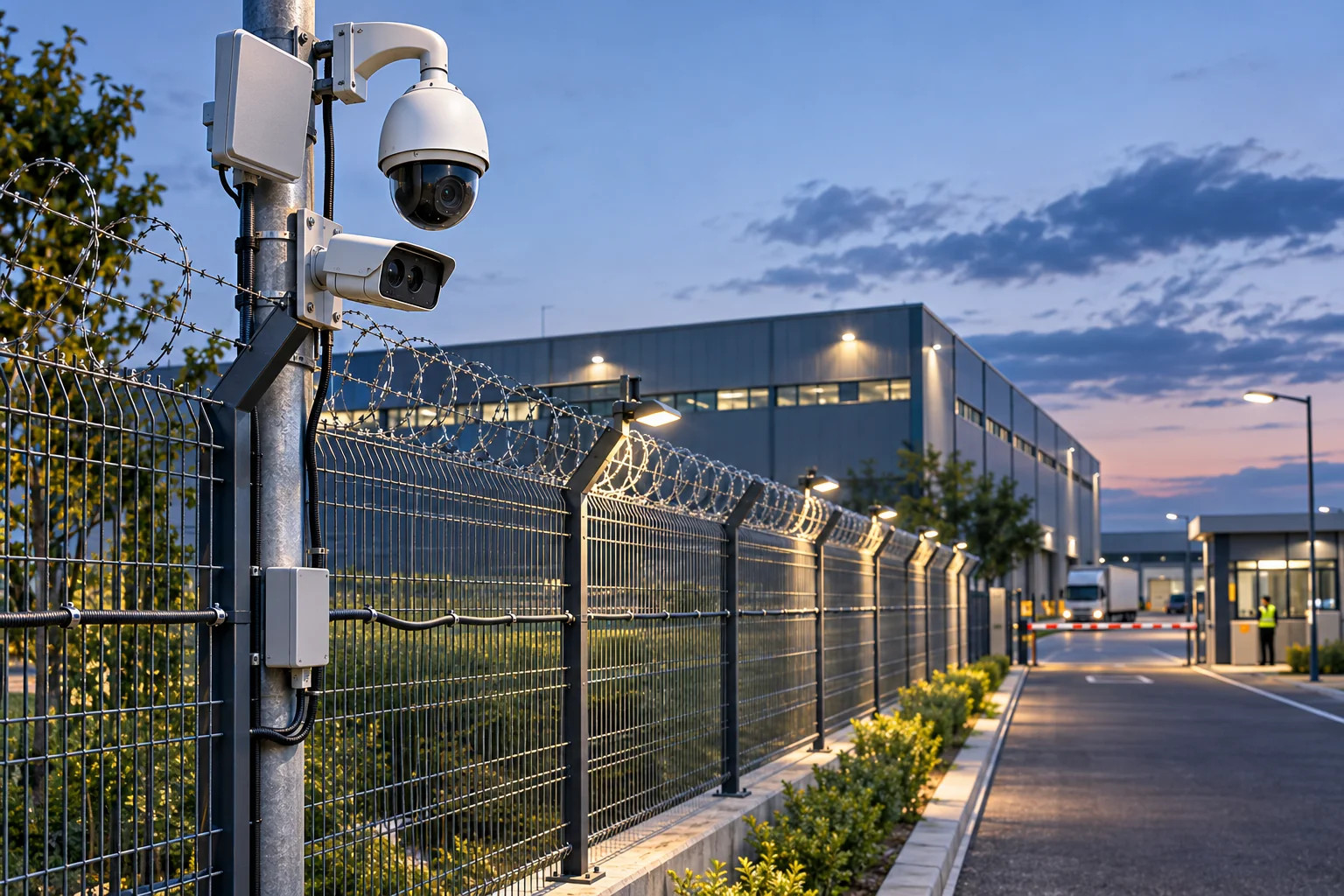
What Are Perimeter Security Systems? How Do They Work and How Are They Chosen?
Perimeter security systems aim to detect unauthorized intrusions at an early stage along the boundaries of factories, warehouses, energy facilities, and large land areas. We examine thermal cameras, radar, AI-powered video analytics, fiber optic fence sensors, and perimeter intrusion detection technologies; including their advantages, technical limitations, and criteria for selecting the right system.
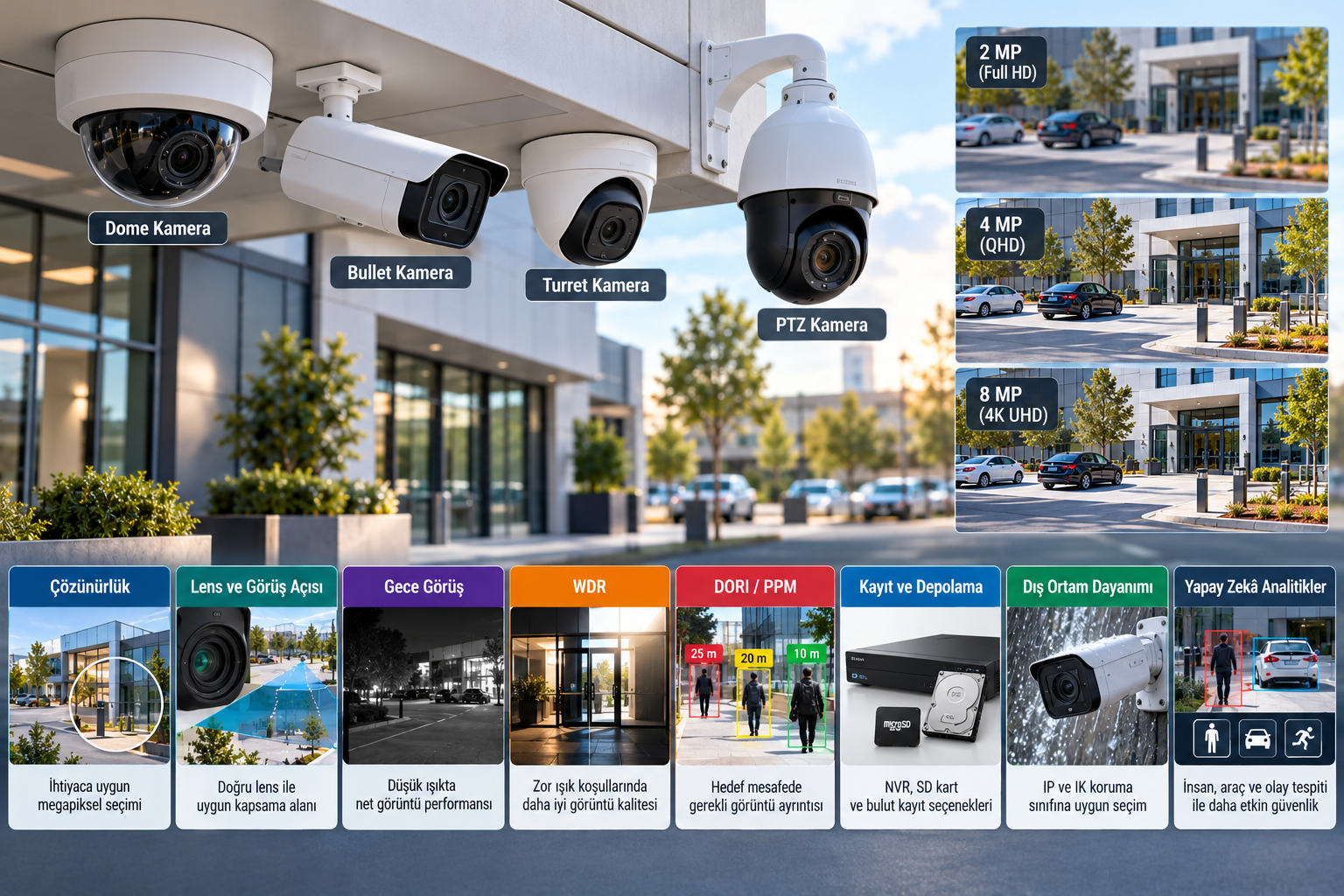
What to Consider When Choosing a Security Camera?
When choosing a security camera, megapixels, night vision distance, and price alone are not sufficient. Camera resolution, lens and field of view, DORI/PPM analysis, WDR, low-light performance, recording capacity, artificial intelligence features, and cybersecurity must be evaluated together. We examine the technical criteria for selecting the right CCTV and IP camera.
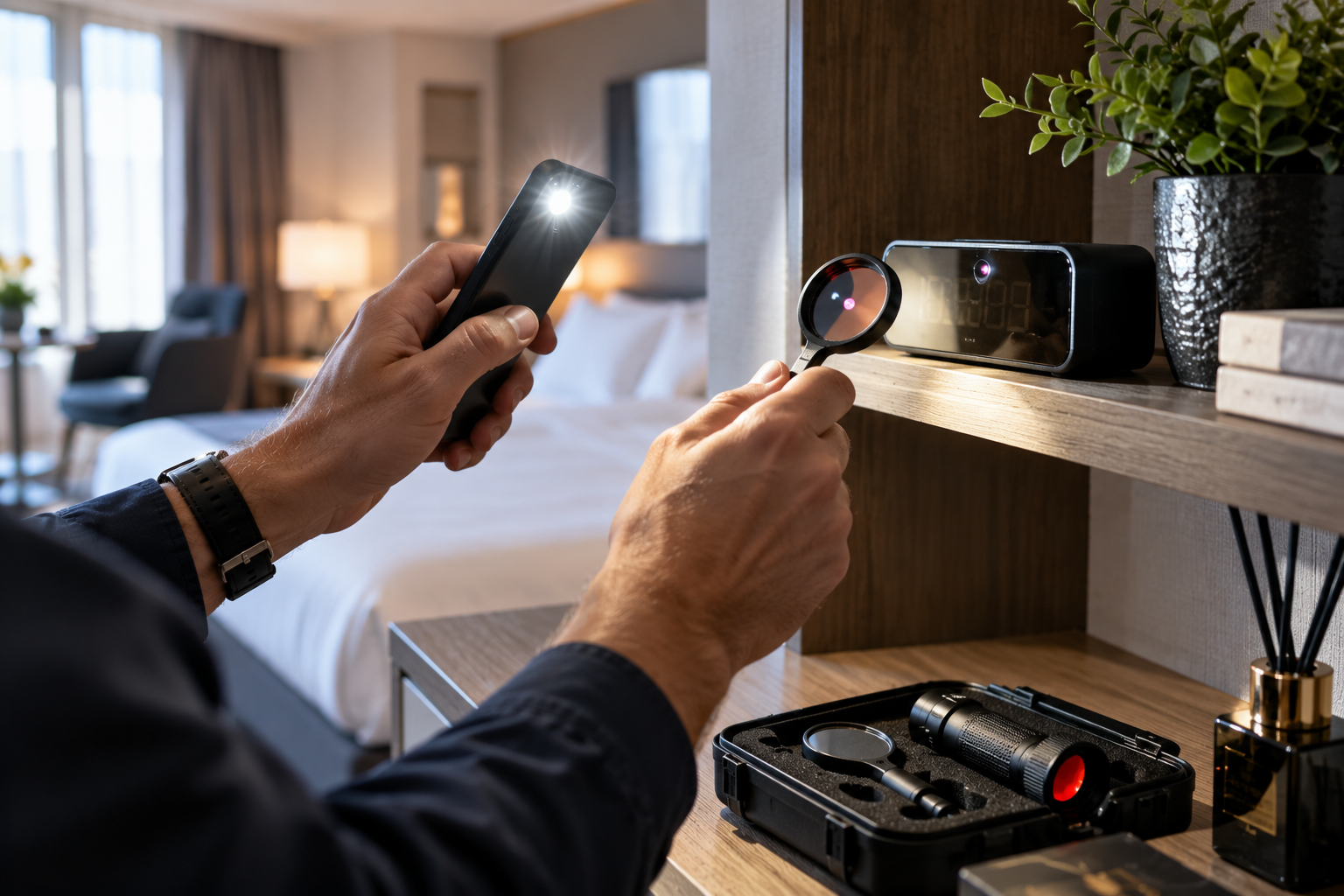
How to Detect Hidden Cameras?
How to detect hidden cameras at home, in a hotel, or a rental apartment? We examine the operating principles, advantages, and technical limitations of lens inspection with phone light, infrared camera detection, Wi-Fi network scanning, and professional RF detectors. We explain what to do and your legal rights if a suspicious camera is found.
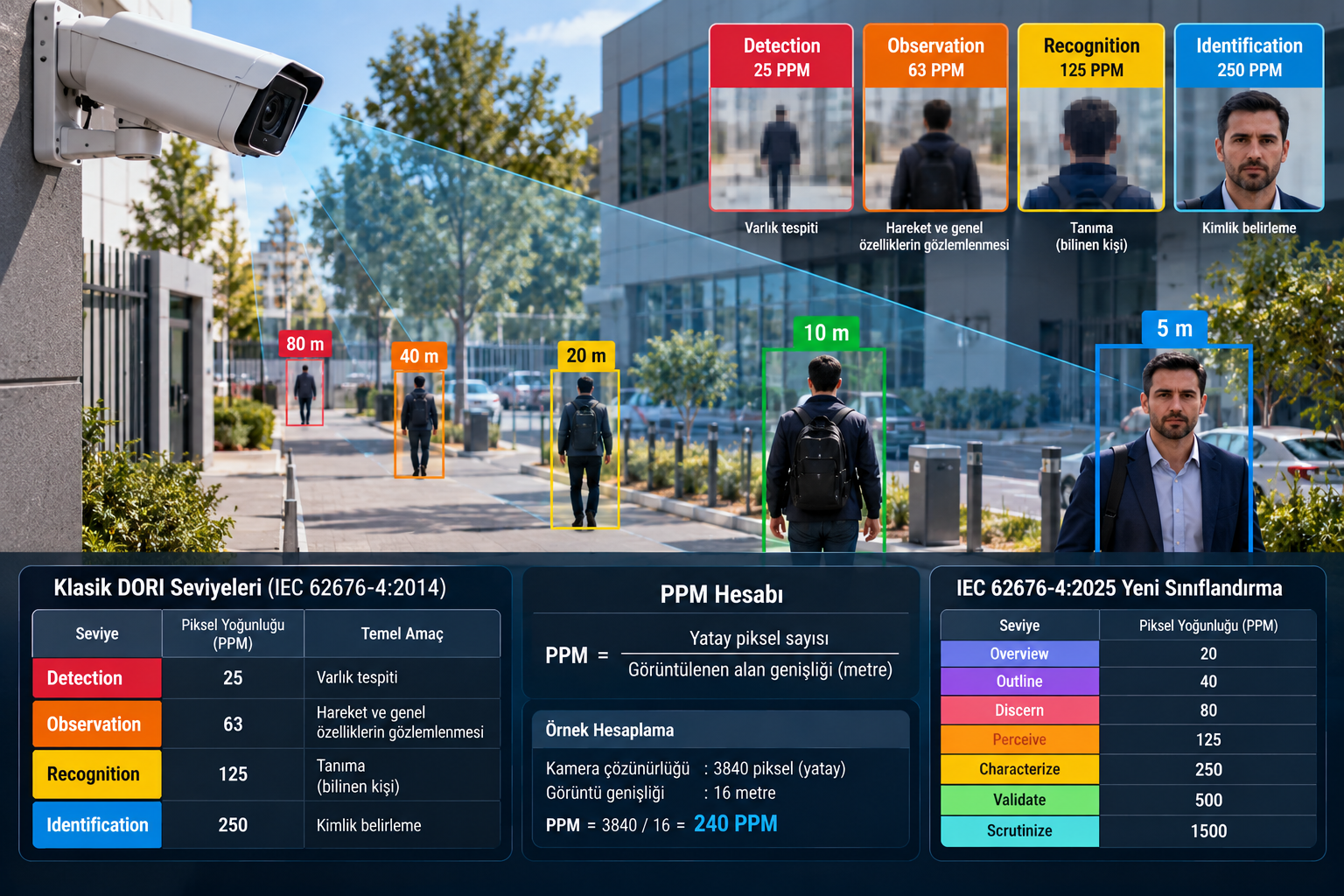
What is DORI Analysis in Camera Systems? How is it Performed?
DORI analysis is a technical method used to evaluate the level of detail at which security cameras can capture people or objects at specific distances. We examine the Detection, Observation, Recognition, and Identification levels, PPM calculation, lens selection, and the new criteria introduced with the IEC 62676-4:2025 standard.
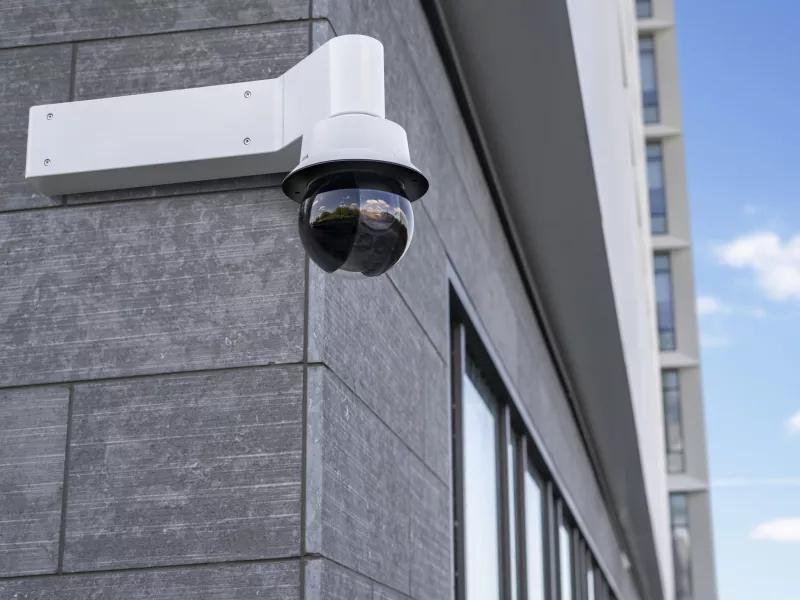
What is a PTZ Camera? How Does It Work, Where Is It Used?
PTZ cameras combine horizontal and vertical movement with optical zoom, enabling the monitoring of large areas and detailed examination of distant points. So, how does a PTZ camera work, what is its difference from fixed IP cameras, and what do 20x or 30x optical zoom mean? We examine PTZ technology, automatic tracking features, and the right camera selection.