
Verkada Adds New Analytics and Integration Features to Camera and Alarm Systems
In its November update, Verkada announced features including license plate recognition analytics, alarm management from third-party access control systems, and a unified incident timeline. A November 19 rollout date was announced for most software features.
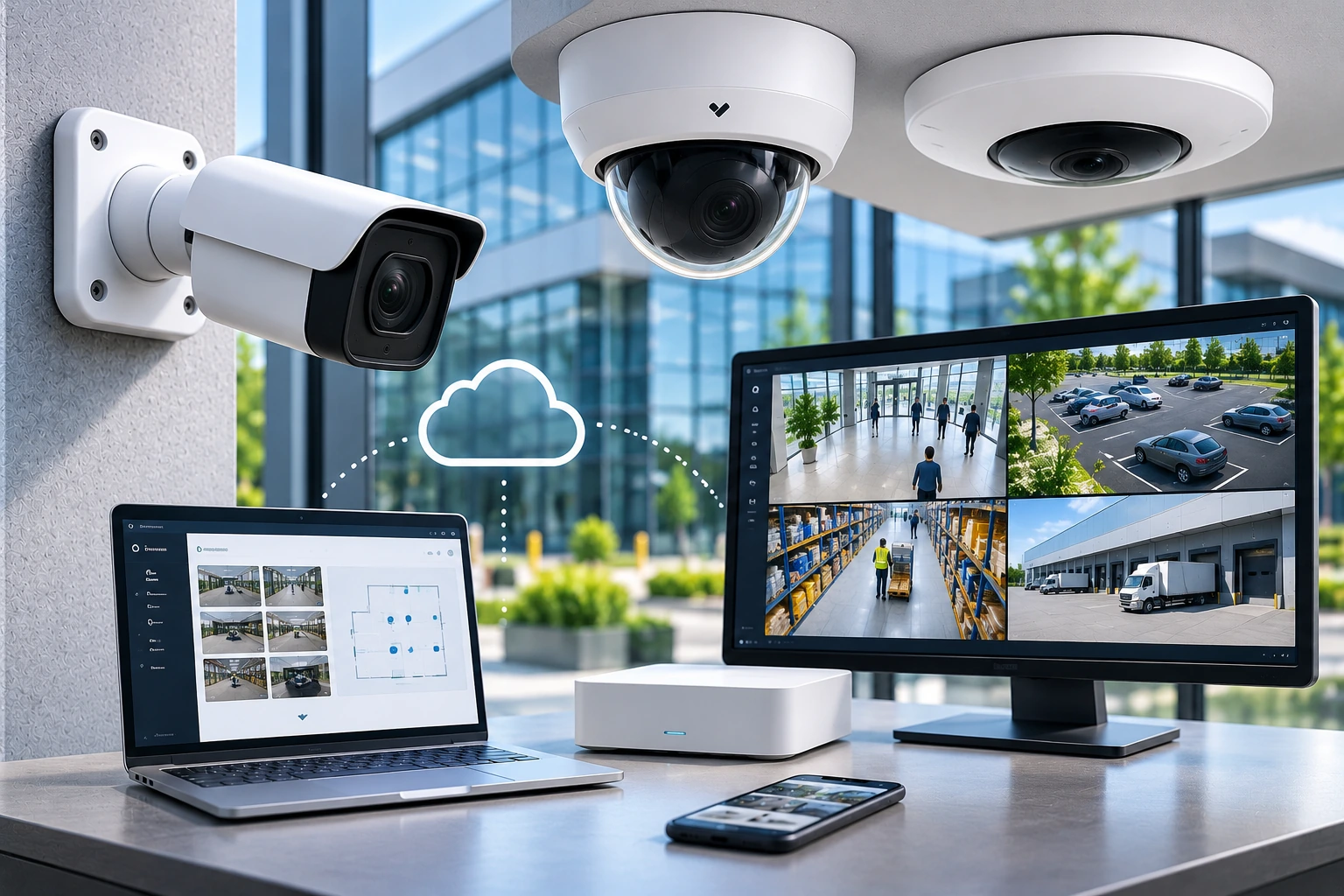
Cloud-based physical security solutions developer Verkada announced new functions for camera analytics, alarm management, and access control integrations in its November 2026 product updates.
According to the release notice published by the company on November 3, the software updates were scheduled to roll out starting November 19, unless otherwise specified.
The new features include analyzing license plate recognition data by zone, reviewing alarm events alongside camera footage on a shared timeline, and managing alarms through third-party access control systems.
Zone Analytics for License Plate Recognition Systems
Zone analytics added to Verkada's License Plate Recognition (LPR) infrastructure enables more detailed assessment of vehicle movements in designated areas.
According to the manufacturer, the LPR zone view can display charts of daily occupancy, entry and exit counts, and the median time vehicles spend in the zone.
These analytics can also be added to Smart Trends dashboards in Verkada Command. This allows security teams to assess area usage patterns rather than searching only for the passage of a specific license plate.
For example, this data can be used to monitor traffic volumes at entrances and exits in parking lots and logistics sites, identify periodic changes, and support operational reporting.
However, the accuracy of these analytics depends on camera placement, license plate-reading conditions, and system configuration. The announcement does not provide independent accuracy rates for the new feature.
Alarm Events on a Single Timeline
One of the key innovations in the November update is the ability to review alarm events from the unified timeline in Verkada Command.
The manufacturer says that camera clips and sensor events associated with an alarm can be viewed within the same stream of events.
This approach is intended to help alarm centers and security operators review how an incident unfolded without switching between different screens.
The system also provides summary information at the top of alarm reports, including total alarm counts, panic and threat events, and police dispatches.
With the new incident notes feature, operators can record that a specific alarm is associated with maintenance work or a test. According to Verkada, these notes provide internal context and are not visible to alarm monitoring personnel.
Alarm Management with Third-Party Access Control Systems
Verkada announced support for arming and disarming alarms not only through its own access control products, but also through third-party access control systems.
This function could be important for facilities that use solutions from different manufacturers together.
For example, a building could retain its existing access control infrastructure while using Verkada's alarm management. However, the third-party systems supported, the implementation method for the integration, and compatibility requirements should be verified for each project.
The announcement does not mean that all access control brands work directly and without additional configuration.
Wireless Relay and Access Control Updates
Verkada also announced that the BX21 wireless relay has been added to the New Alarms platform.
Through suitable connections, this component supports control of third-party sirens, strobes, and other wired alarm signaling devices.
For access control, the company announced LTE backup connectivity support for the AW33 wireless controller, improvements to the Command management interface, and FIPS 201/FICAM features for U.S. federal agencies.
FIPS 201 support is focused specifically on the identity card infrastructures of U.S. government agencies. It should not be assumed to be a universal feature compatible with all card and identity systems in Türkiye.
Other Updates in Cameras and Video Surveillance
The manufacturer reported that the CR63-E LTE-connected remote-site camera is available in Canada, Australia, the United Kingdom, and European markets.
The product was developed for remote video surveillance at locations where installing cable infrastructure is difficult.
The Unified Profiles feature also offers an option to create people lists from access control users and visitor records.
However, associating people’s images across different security modules is a function that warrants separate assessment in terms of personal data processing and access authorization.
Significance for Security Integrators in Türkiye
Verkada's November updates reflect the trend in the physical security sector toward managing camera, alarm, and access control systems on shared software platforms.
For integrators in Türkiye, interoperability with third-party systems, alarm verification processes, and the approach of generating operational data from video analytics are particularly noteworthy.
However, the manufacturer's international release announcement does not prove that customers in Türkiye can use all features under the same conditions. Regional availability, product licenses, integration compatibility, and data protection obligations should be examined separately.
Verkada's announcement confirms the new features and their intended use cases; it does not provide independent field-performance data or measured operational efficiency results.
Sources
Source: www.verkada.com